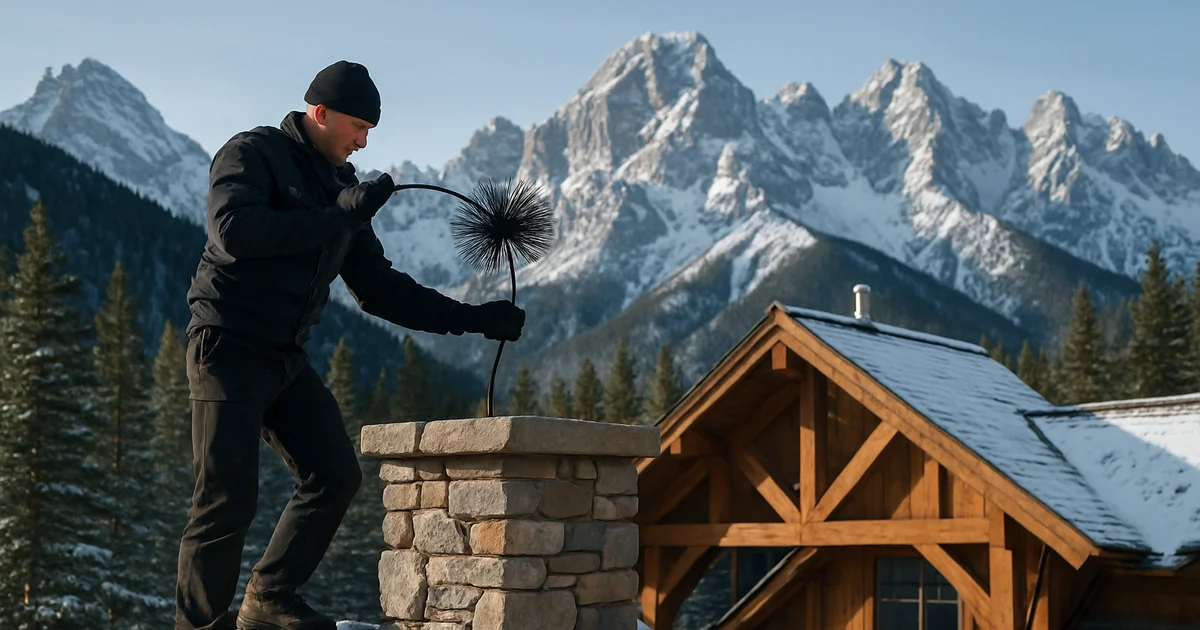
Sweeps, camera inspections for property sales, and dryer vents - across Kalispell, Whitefish and Columbia Falls at one price.
Give us the basics and we'll come back with a firm price, usually the same day.
Three services, one truck, and an honest answer about which one you actually need.
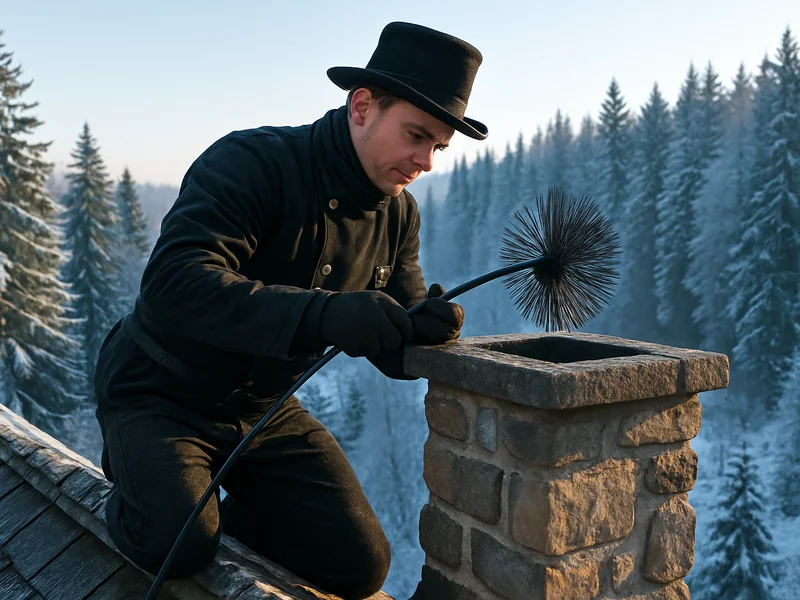
Creosote removal, firebox and smoke shelf cleaning, and a Level 1 inspection on every visit. Masonry, class-A pipe and wood stoves all handled.
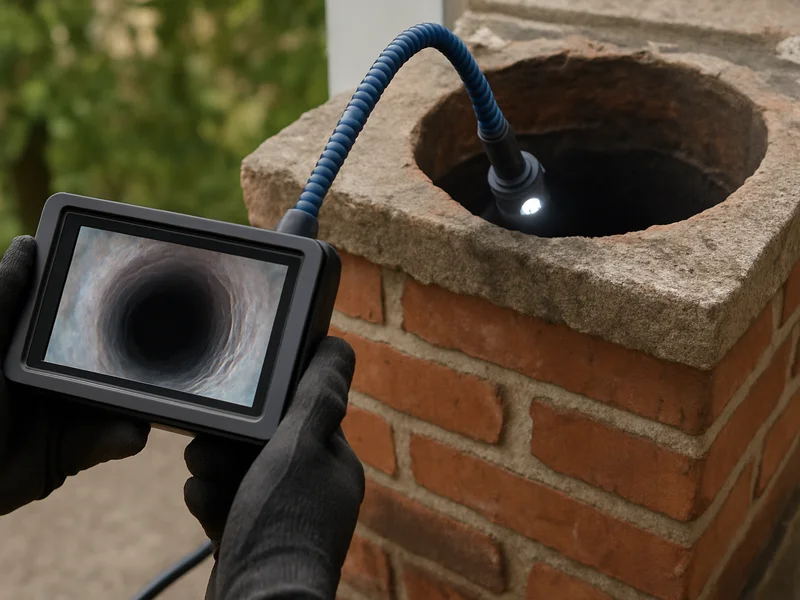
Level 2 camera inspections for buyers, sellers and agents, plus annual Level 1 checks. You get the footage and a written report you can hand to anyone.
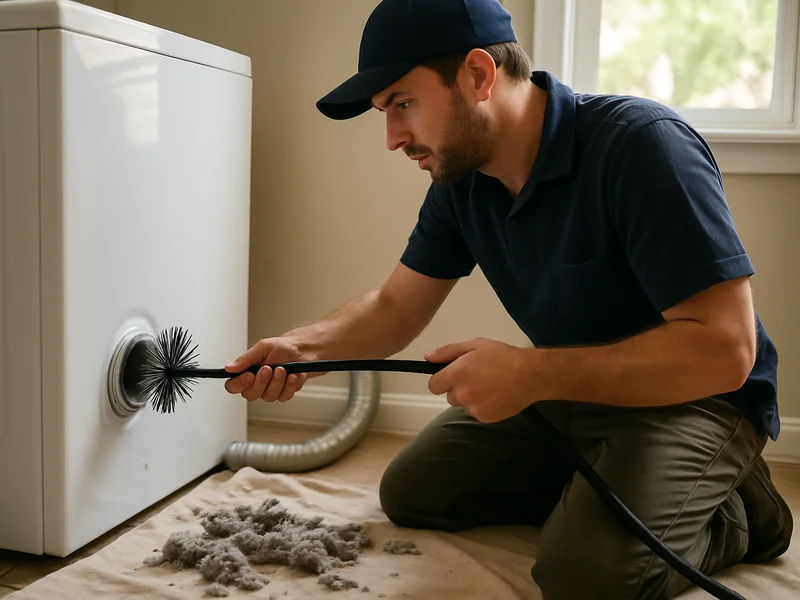
The whole duct run brushed and airflow measured, including the roof and soffit terminations that ice over here every winter.
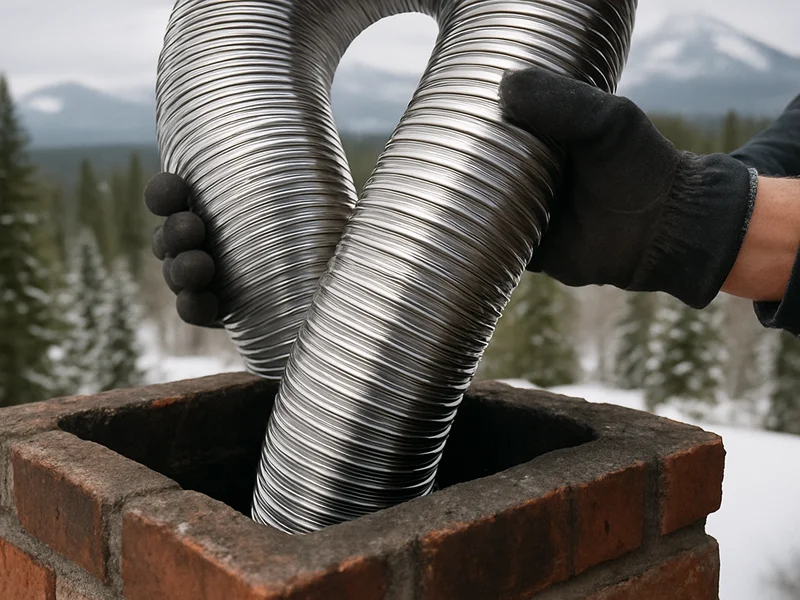
Three things shape this work in the Flathead Valley, and none of them is simply "it gets cold". The first is the freeze-thaw cycle. Kalispell sits low in the valley and swings across freezing repeatedly through winter rather than staying hard-frozen the way the eastern plains do. Every one of those swings takes water that has entered a crown crack or a failed mortar joint, freezes it, expands it, and opens the gap slightly wider. Over a couple of decades that is not weathering, it is a slow demolition, and crowns are almost always where we see it first.
The second is intermittent heating. A large share of the housing here - and nearly all of the higher-value housing around Whitefish - is not occupied year-round. A flue in a house heated steadily from October to May stays warm and reasonably dry. A flue in a place visited six weekends a season cools completely between fires, condenses moisture on the interior each time, and accumulates the tarry second-stage creosote that comes from cold starts rather than the flaky kind that comes from steady burning. Less use, worse deposits. It is counterintuitive and it is the single most common thing owners here get wrong.
The third is that this valley turns over property faster than most of Montana. Between second homes, short-term rentals and buyers arriving from out of state, a lot of these chimneys change hands without anyone who knows their history being present. That is why we treat Level 2 inspections as a core service rather than an add-on: quite often we are the first person in twenty years to put a camera down a flue, and what the camera finds is the difference between a sound purchase and a five-figure reline discovered in February.
Three towns inside 25 miles of each other - so no travel surcharge to any of them.
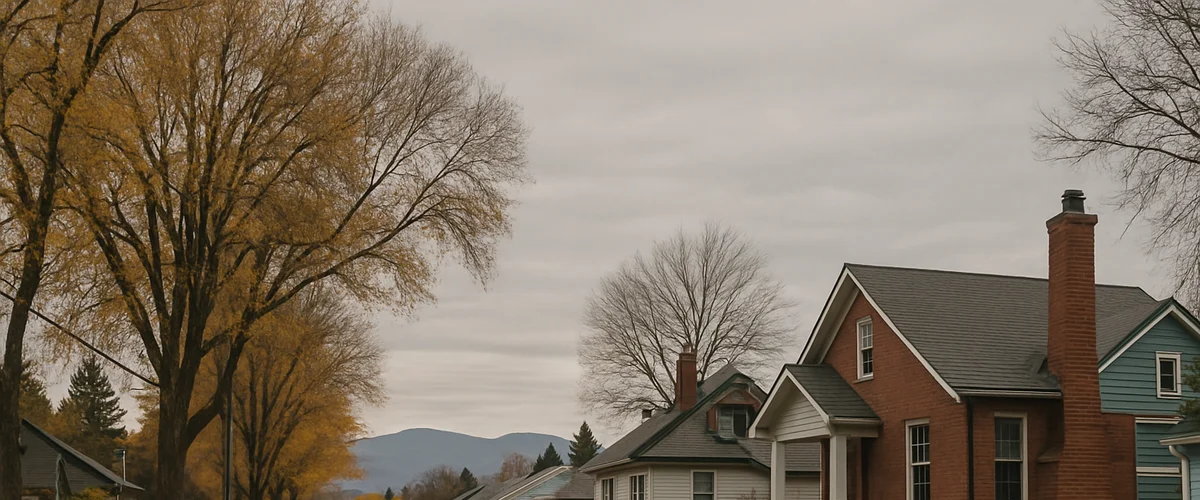
The valley floor - older wood-frame housing, weathered brick, and most of our routes.
02
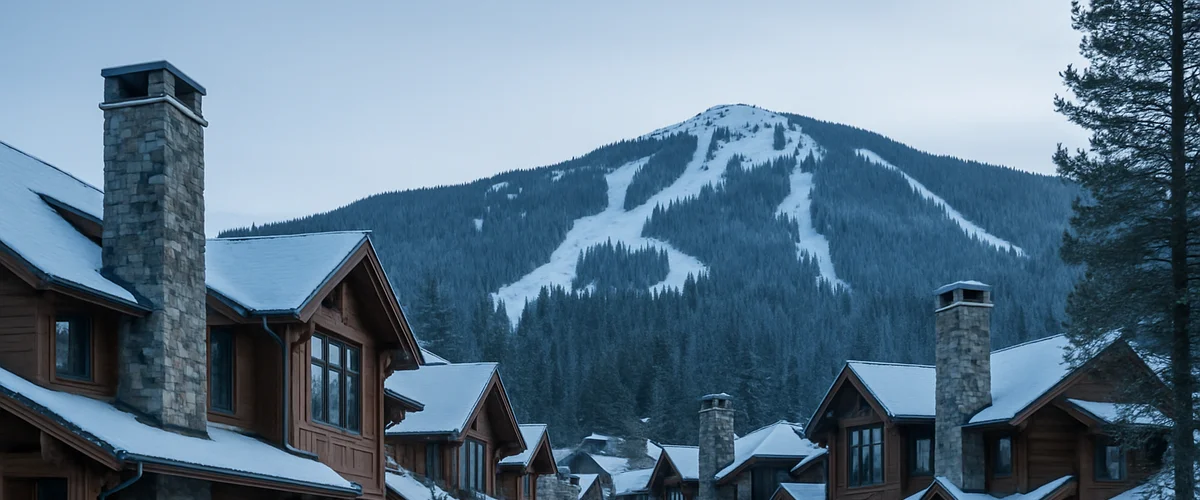
Resort housing with big stone chimneys, much of it occupied only part of the year.
03
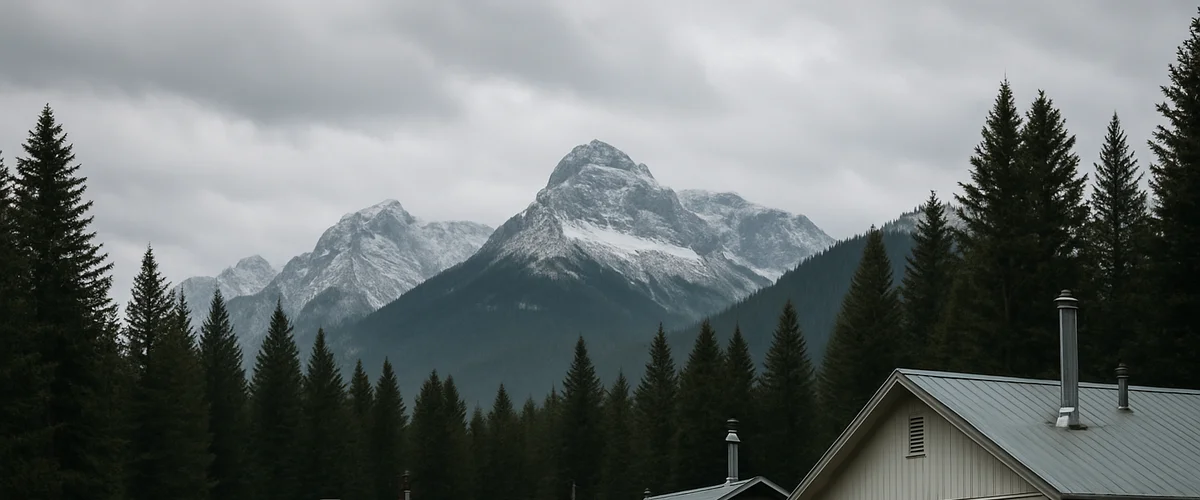
Forest edge and cabins, where class-A pipe and hard-working wood stoves dominate.
Quoted before we start, and that is the number on the invoice. Nothing gets found halfway through that quietly doubles it.
A clean flue is a clean flue. Selling a sweep that is not due is how this trade earned its reputation, and we would rather keep the phone call than the invoice.
Photographs and camera footage of your flue, handed over whether or not you buy anything. Useful at insurance renewal, and useful if you are negotiating a purchase.
We schedule cabin and rental work in the shoulder seasons, when access is easy and there is still time to fix what we find before the first fire.
NFPA 211 asks for an inspection at least once a year, with cleaning as the inspection dictates. A wood stove carrying a Flathead winter usually earns an annual sweep. A stone fireplace in a Whitefish house used a dozen evenings a season often does not, and we will say so rather than sell you one either way.
Most single-flue sweeps with a Level 1 inspection run $190 to $290, depending on roof pitch and how much creosote is up there. Large stone chimneys on timber-frame homes and anything needing rope access cost more. You get the number before we start.
A Level 2, which is the standard any time a property changes hands. It includes camera footage of the full flue interior, not just what can be seen from the firebox, and you get the video and a written report. A general home inspector's visual check is not the same thing and most of them will tell you so in their own report.
All three, on regular routes, at the same price. Whitefish is 25 miles north, Columbia Falls 15 miles northeast, and neither carries a travel surcharge.
Worse, usually, and this surprises people. A flue that sits cold between visits goes through far more condensation cycles than one in a house heated steadily, and nobody is there to notice a cap that blew off in March or a bird that moved in during May. Seasonal properties want a look before the first fire, not after.
September and October fill first, and inspections with a closing date get priority. Call or send the form.